

Introducing Swings and Roundabouts
Regular posts about the great parks of Britain and Ireland.

When I was researching my book, Tree Hunting, I visited hundreds of parks across Britain and Ireland looking for interesting trees. I can confirm that our parks are full of great trees. But I was also struck by how fascinating parks are. Each green space is quite different from every other green space and each is an urban wonderland.
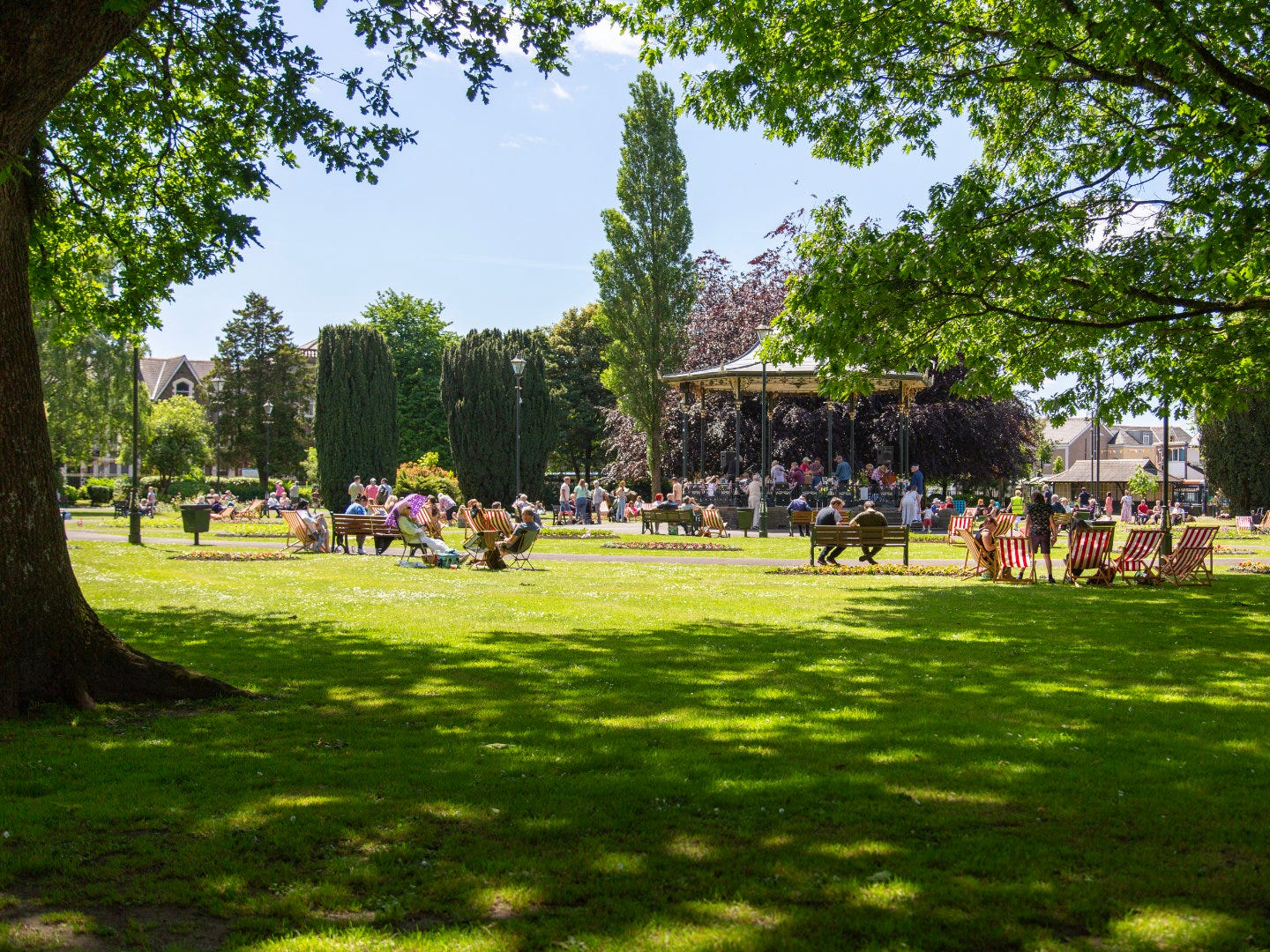
The particularities of place, aspect, size, planting, history and use of parks ensures that no two are the same and that each adds something unique to its wider environment. Parks are key to every town and city, and they are, I think, an under-appreciated part of how a place feels and how people inhabit it.
Take Liverpool for instance. A grand city known for its impressive architecture and its internationally important waterfront, but also a city that has a rich assemblage of nineteenth century parks that encircle its city centre from Prince’s Park in the south to Stanley Park in the north, not to mention the wonderful Sefton Park and ornate Calderstones Park. Together they define Liverpool as much as St George’s Hall and the Waterfront. Each of these parks has its own fascinating history, a distinct landscape and a singular feel to it – each has at least one tree featured in Tree Hunting too!
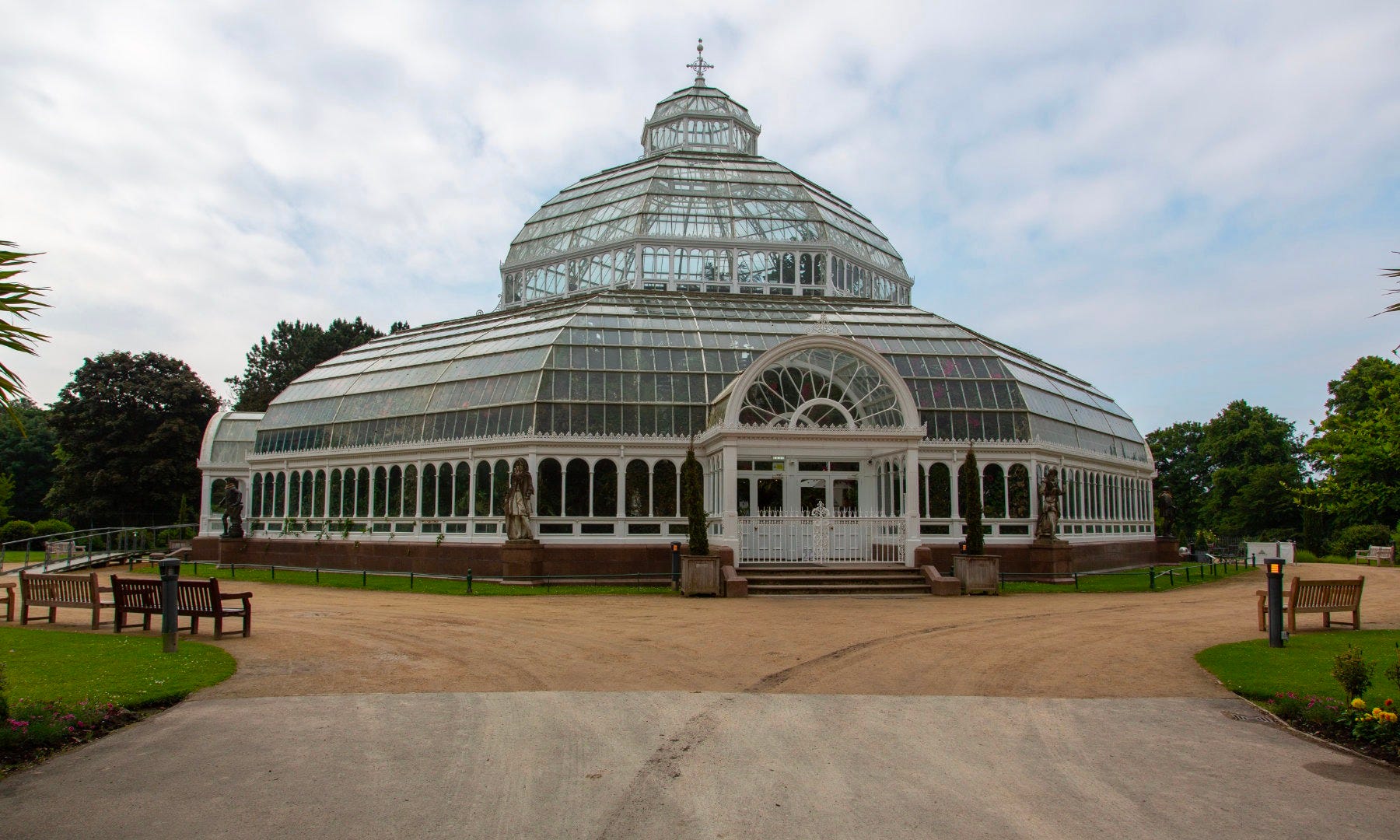
The concept of parks has a long history, and each individual park has its own history which can stretch back centuries. But parks as we think of them today are mostly of the nineteenth century, the legacy of improving Victorians who recognised that rapidly expanding towns and cities needed to have places of resort and recreation for new urban populations.
There is a lot to unpack in parks, socially, culturally, environmentally and botanically. Over the coming weeks and months, this new Substack will explore parks across Britain and Ireland and along the way pick up these themes. In the meantime, I have a plug for a new publication…
Since the beginning of 2026, I have been visiting London’s parks. It has been a fascinating journey. I have visited all the big, well-known places like Richmond, Hyde and Greenwich Park, but I have also been to smaller, lesser-known places like Myatt’s Fields Park, Arnos Park and Roundwood Park. My explorations have come together in a map, the Great Parks of London Map, to be published by Blue Crow Media imminently. It is a double-sided map featuring 53 Royal Parks, historic commons, formal gardens and other green spaces that fit into the broad description of ‘park’.
If you’d like to order a signed copy, I am taking pre-orders which will ship as soon as the maps come back from the printer later this month.
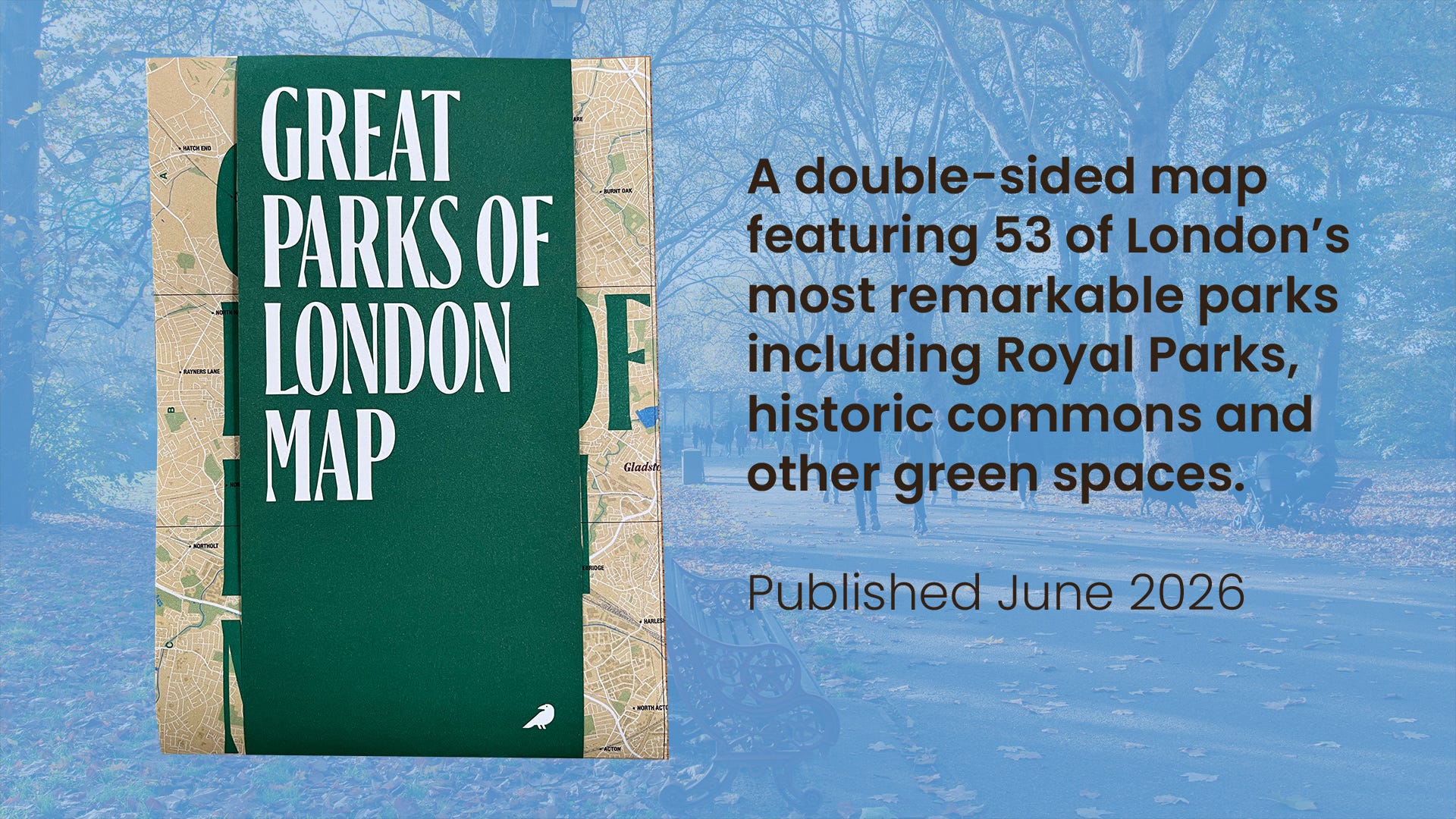
Better still, if you take out or upgrade to an annual or founding subscription to The Street Tree, I’ll send you a copy as a thank you for signing up. This applies to UK subscribers only, but if you become a founding member, I’ll send it to you anywhere in the world.
In order to support my work, please consider becoming a paid subscriber.
Congratulations on the map!
Hi Paul. If you went to Arnos Park, did you go up the road to visit the tiny Minchenden Oak Park? Southgate Green, N14. Did you find the amazing Minchenden Oak, once known as the tree with the broadest spread in Britain (18th C) and visited by Dr Johnston then because it was a prodigy. A tree with a park all of its own. Coming to this late so you may already have noted it.